The Marathon Approach To Lasting Leadership
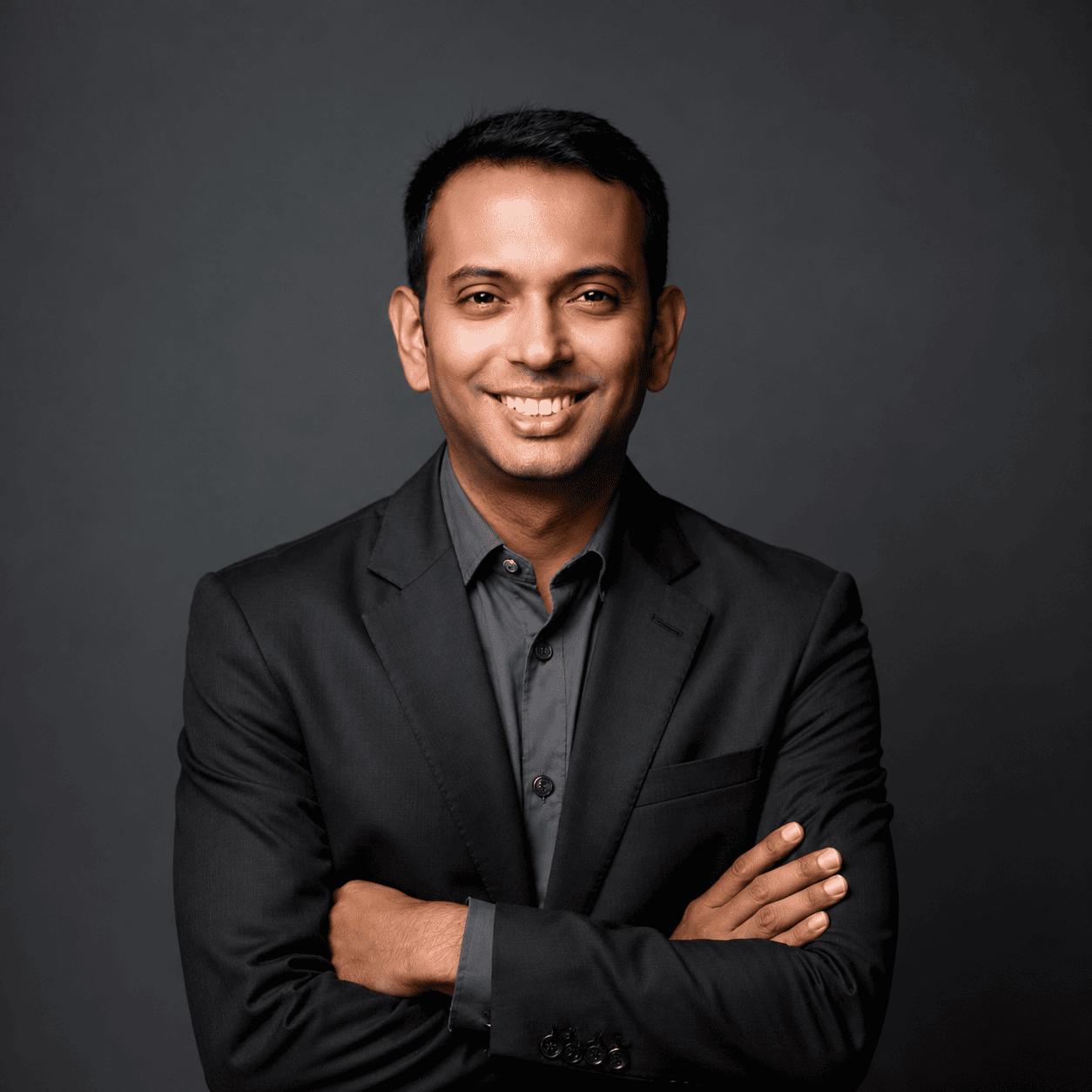
Some leaders arrive at people through spreadsheets. Thiru Damodharan arrived through materials science, then spent more than two decades, by his account, learning that the hardest problems are rarely the technical ones. Trained first as a materials engineer, he moved through operations, consulting, and global business development before settling into the work he describes today: guiding leaders and organisations through change without losing sight of the individuals inside it. His starting conviction is disarmingly plain. As he puts it, “effective leadership isn’t about having all the answers.”
From the Lab to the Boardroom
Thiru began his career in engineering, working across sectors he lists as semiconductors, mining, and specialty chemicals. Those early years, he recalls, taught discipline and resilience more than any single technical skill. He learned to sit with hard problems, work alongside colleagues from very different backgrounds, and stay steady when outcomes were uncertain. Somewhere in that stretch, his interest shifted. He found himself less drawn to solving a problem cleanly and more drawn to helping others see openings they had missed. That recognition, he says, quietly redirected his path from the technical side of a business toward its strategy. He kept studying as he moved, adding business training to his engineering degree and, by his own account, now working toward a doctorate focused on generative AI. The through-line was never a title. For Thiru, leadership was always about impact rather than position.
The Moment That Redefined His Purpose
Ask him when that shift became clear, and he points to a single assignment: a team handed a project that looked impossible. They delivered it, and the reason stayed with him. “I created space for collaboration and trusted people’s strengths,” he reflects. The success, in his telling, had little to do with him holding answers and everything to do with making room for others to contribute theirs. That project became the blueprint for how he leads. Mentors had shown him early that leadership was a form of service, and that lesson settled into how he measured his own. His purpose, he decided, was to help others reach their fullest potential rather than to be the smartest voice in the room.
A Philosophy Built on Simple Steps
Over the years, he has distilled his approach into a phrase he returns to often. “Start small, think big,” he says. The idea is to take bold ambitions and ground them in practical, incremental action, so momentum builds instead of stalling under the weight of a grand plan. It is a builder’s mindset, patient by design. Underneath the method sits a short list of values he refuses to bend on: integrity, empathy, and resilience. He describes integrity in the oldest terms available, as “doing the right thing even when no one is watching,” and pairs it with a habit of listening closely before deciding anything. He treats empathy as a discipline, not a mood.
Leading People in the Age of AI
Much of Thiru’s current thinking sits where technology meets human judgment. He argues that leaders now need digital literacy and emotional intelligence in equal measure, and that artificial intelligence sharpens decisions while raising harder ethical questions. The tools can sharpen a decision, he notes, but they cannot own it. His answer is to keep the human at the centre. He talks about using new tools to widen impact while “never losing sight of people,” and about leaders acting as enablers rather than gatekeepers of information. The old command-and-control model, he believes, has given way to coaching.
The Hardest Part of Leading
He is candid that the toughest test of his career had nothing to do with technology. Leading through stretches of uncertainty and layoffs, he says, exposed the human core of the job. There was no clever framework for it. He met it by staying transparent, showing compassion, and making sure that even painful decisions preserved people’s dignity. Handled well, he believes, even a layoff can leave people their self-respect. The human side, he admits, is always the hardest side. And in his view, that is where a leader’s character actually shows.
Pacing for the Long Race
These days Thiru spends as much energy on wellbeing as on strategy. A marathon runner himself, he reaches naturally for the metaphor: “you pace yourself but never lose sight of the finish line.” He has carried that idea into keynote work on mindfulness, mental health, and resilience, subjects that sit close to his heart. His advice to other leaders is unfussy: protect your downtime the way you protect your meetings, because a team tends to mirror the habits of whoever leads it. As he says, “A rested leader is a resilient leader.” His larger ambition reaches past any single result. He describes leaders as “stewards, not just strategists,” responsible for the wellbeing, sustainability, and fairness of the systems they touch, not only the balance sheet. That is the long race he keeps running toward, leadership measured less by the quarter it delivers and more by the character and the legacy still standing once the noise fades.
The Marathon Approach To Lasting Leadership
Some leaders arrive at people through spreadsheets. Thiru Damodharan arrived through materials science, then spent more than two decades, by his account, learning that the hardest problems are rarely the technical ones. Trained first as a materials engineer, he moved through operations, consulting, and global business development before settling into the work he describes today: guiding leaders and organisations through change without losing sight of the individuals inside it. His starting conviction is disarmingly plain. As he puts it, “effective leadership isn’t about having all the answers.”
From the Lab to the Boardroom
Thiru began his career in engineering, working across sectors he lists as semiconductors, mining, and specialty chemicals. Those early years, he recalls, taught discipline and resilience more than any single technical skill. He learned to sit with hard problems, work alongside colleagues from very different backgrounds, and stay steady when outcomes were uncertain. Somewhere in that stretch, his interest shifted. He found himself less drawn to solving a problem cleanly and more drawn to helping others see openings they had missed. That recognition, he says, quietly redirected his path from the technical side of a business toward its strategy. He kept studying as he moved, adding business training to his engineering degree and, by his own account, now working toward a doctorate focused on generative AI. The through-line was never a title. For Thiru, leadership was always about impact rather than position.
The Moment That Redefined His Purpose
Ask him when that shift became clear, and he points to a single assignment: a team handed a project that looked impossible. They delivered it, and the reason stayed with him. “I created space for collaboration and trusted people’s strengths,” he reflects. The success, in his telling, had little to do with him holding answers and everything to do with making room for others to contribute theirs. That project became the blueprint for how he leads. Mentors had shown him early that leadership was a form of service, and that lesson settled into how he measured his own. His purpose, he decided, was to help others reach their fullest potential rather than to be the smartest voice in the room.
A Philosophy Built on Simple Steps
Over the years, he has distilled his approach into a phrase he returns to often. “Start small, think big,” he says. The idea is to take bold ambitions and ground them in practical, incremental action, so momentum builds instead of stalling under the weight of a grand plan. It is a builder’s mindset, patient by design. Underneath the method sits a short list of values he refuses to bend on: integrity, empathy, and resilience. He describes integrity in the oldest terms available, as “doing the right thing even when no one is watching,” and pairs it with a habit of listening closely before deciding anything. He treats empathy as a discipline, not a mood.
Leading People in the Age of AI
Much of Thiru’s current thinking sits where technology meets human judgment. He argues that leaders now need digital literacy and emotional intelligence in equal measure, and that artificial intelligence sharpens decisions while raising harder ethical questions. The tools can sharpen a decision, he notes, but they cannot own it. His answer is to keep the human at the centre. He talks about using new tools to widen impact while “never losing sight of people,” and about leaders acting as enablers rather than gatekeepers of information. The old command-and-control model, he believes, has given way to coaching.
The Hardest Part of Leading
He is candid that the toughest test of his career had nothing to do with technology. Leading through stretches of uncertainty and layoffs, he says, exposed the human core of the job. There was no clever framework for it. He met it by staying transparent, showing compassion, and making sure that even painful decisions preserved people’s dignity. Handled well, he believes, even a layoff can leave people their self-respect. The human side, he admits, is always the hardest side. And in his view, that is where a leader’s character actually shows.
Pacing for the Long Race
These days Thiru spends as much energy on wellbeing as on strategy. A marathon runner himself, he reaches naturally for the metaphor: “you pace yourself but never lose sight of the finish line.” He has carried that idea into keynote work on mindfulness, mental health, and resilience, subjects that sit close to his heart. His advice to other leaders is unfussy: protect your downtime the way you protect your meetings, because a team tends to mirror the habits of whoever leads it. As he says, “A rested leader is a resilient leader.” His larger ambition reaches past any single result. He describes leaders as “stewards, not just strategists,” responsible for the wellbeing, sustainability, and fairness of the systems they touch, not only the balance sheet. That is the long race he keeps running toward, leadership measured less by the quarter it delivers and more by the character and the legacy still standing once the noise fades.

Worth Minds · The Orbit Edition
30 Stories Beyond Earth
Put your name forward for consideration and become part of a collection of stories designed to inspire generations.
Submit NominationCurrent Issue
Worth Minds · The Orbit Edition
30 Stories Beyond Earth
Put your name forward for consideration and become part of a collection of stories designed to inspire generations.
Submit NominationWorth Minds · The Orbit Edition
30 Stories Beyond Earth
Put your name forward for consideration and become part of a collection of stories designed to inspire generations.
Submit NominationAll Rights Reserved