Designing Systems That Adapt to People
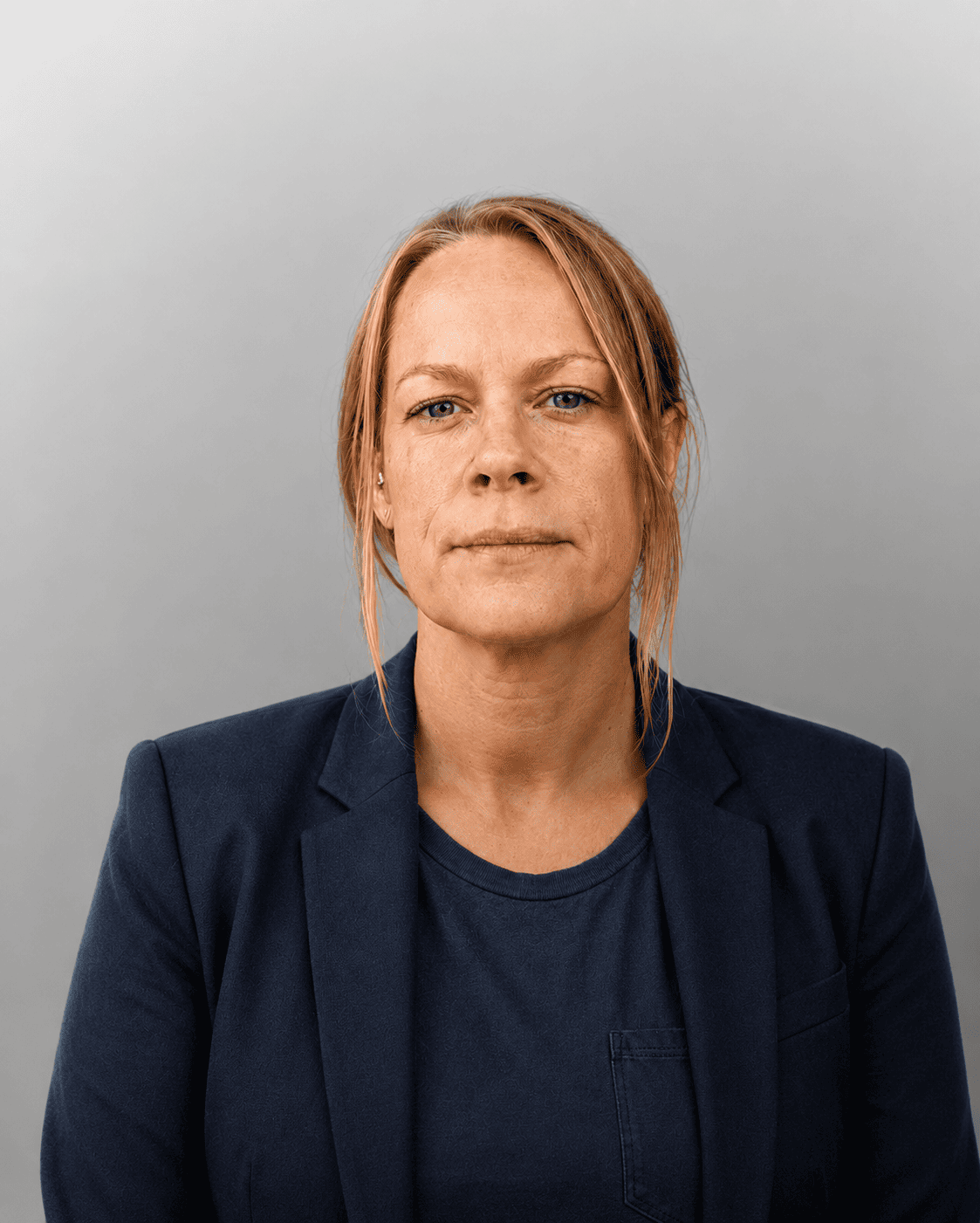
Rosalind Millett spent most of her life sensing that the world had been built to a specification she did not match, without knowing why. By her account, that feeling finally had a name when she was diagnosed, at 46, as autistic and with ADHD, a recognition that arrived alongside a heavy and complicated grief. Designed to be accessible on a global scale, beginning in the United Kingdom, she is the founder of DysPhilter™, a platform she is building for people who, like her, spent years being failed by systems that were never designed with them in mind. She is candid that she stands at the beginning of that work, not the end of it. What she is building, in her words, should have existed long before now.
A Weight Without a Name
For most of her life, Millett says, there was no framework and no language for how her mind worked, only the private sense of carrying something she could not explain. She moved through education, work, and relationships masking the difference and quietly absorbing its cost. When the diagnosis came in her mid-forties, it did not arrive as relief so much as reckoning, an explanation for years of exhaustion, for relationships that had fractured under strain, and for the weight of complex trauma she had never been able to locate. She is careful not to frame any of this as a complaint. She calls it, simply, a fact, the ground from which everything she is now doing grows.
The Loss That Changed the Question
The turning point, in her telling, was her mother’s death. Looking back, she recognised in her mother the same unnamed profile she had only just learned to see in herself, a life navigated without the language or support that might have reshaped it, and behind her mother, generations who carried the same invisible weight unseen. “She shaped my worldview not through what she said, but through what the world failed to offer her,” Millett says. That realisation, that this had been happening quietly across generations at enormous personal cost, changed the question she was asking. She stopped trying to adapt herself to systems that were not built for her, and started building something else.
Building the Thing That Was Missing
That something is DysPhilter™. Millett describes it less as a tool that asks neurodistinct people to adjust themselves further, and more as infrastructure she intends to have adapt to them, treating the person using it as the authority on their own experience rather than requiring a formal diagnosis before it takes them seriously. She is building it, she says, to protect, support, and advocate, quietly and without demand. It is designed, in her description, to assume good faith, starting from the premise that a person can be struggling and deserve support well before any formal label confirms it, and to do so without pathologising them or gatekeeping access. Much of what she describes is still ahead of her, a direction rather than a finished product, and she is open about that. Her wider aim is to challenge a single word she considers central to how accessibility fails people: reasonable. Who defines it, she asks, and against whose baseline? She wants accessibility treated as a design starting point rather than a legal minimum or an afterthought, and she is clear that this is the argument she intends to keep making for the rest of her life.
From Philosophy to Practical Impact
While much of the infrastructure is still scaling, Millett’s vision is already gaining traction at the highest levels of governance and regulation. In June 2026, she engaged with the UK Government’s Scotland Office, led by Douglas Alexander MP, aligning with their focus on inclusion and neurodiversity. The response on July 9, 2026, commended DysPhilter’s innovative approach to neurodivergent communication, with officials escalating her insights to HM Treasury for consideration within the UK’s broader Financial Inclusion Strategy. Concurrently, Millett is collaborating with the Financial Conduct Authority (FCA) Innovation Pathways team, exploring how DysPhilter’s design principles can practically reinforce compliance with the FCA's Consumer Duty mandates.
What Failure Really Was
Millett has come to read her own history differently. The jobs she could not sustain and the periods of crisis were not, she now believes, evidence of inadequacy; they were signs of a mismatch between how she is built and what was being demanded of her. “Systems fail people long before people fail systems,” she says, a line that doubles as the premise of her work. She is equally firm that lived experience is not a lesser form of knowledge. “Lived experience is not a supplement to expertise, it is expertise,” she says, arguing that the people closest to a problem are the ones who should be shaping its solution.
The Measure and the Legacy
Ask her how she measures impact and the answer is deliberately small and human. Impact, she says, is “the person who finally feels seen,” genuinely recognised rather than managed or tolerated. She is conscious that waiting lists for neurodistinct assessment are long, and that for people living without a name for their experience, time itself becomes a form of access. Whatever DysPhilter™ becomes, she wants its guiding principles- that the individual is the authority on their own experience and that systems must adapt rather than demand adaptation- written into its foundation so they never depend on her presence alone. Since losing her mother, she says, she has come to think of legacy as the quiet changing of conditions for those who come next. The work outlasting her, she says, is the entire point.
Designing Systems That Adapt to People
Rosalind Millett spent most of her life sensing that the world had been built to a specification she did not match, without knowing why. By her account, that feeling finally had a name when she was diagnosed, at 46, as autistic and with ADHD, a recognition that arrived alongside a heavy and complicated grief. Designed to be accessible on a global scale, beginning in the United Kingdom, she is the founder of DysPhilter™, a platform she is building for people who, like her, spent years being failed by systems that were never designed with them in mind. She is candid that she stands at the beginning of that work, not the end of it. What she is building, in her words, should have existed long before now.
A Weight Without a Name
For most of her life, Millett says, there was no framework and no language for how her mind worked, only the private sense of carrying something she could not explain. She moved through education, work, and relationships masking the difference and quietly absorbing its cost. When the diagnosis came in her mid-forties, it did not arrive as relief so much as reckoning, an explanation for years of exhaustion, for relationships that had fractured under strain, and for the weight of complex trauma she had never been able to locate. She is careful not to frame any of this as a complaint. She calls it, simply, a fact, the ground from which everything she is now doing grows.
The Loss That Changed the Question
The turning point, in her telling, was her mother’s death. Looking back, she recognised in her mother the same unnamed profile she had only just learned to see in herself, a life navigated without the language or support that might have reshaped it, and behind her mother, generations who carried the same invisible weight unseen. “She shaped my worldview not through what she said, but through what the world failed to offer her,” Millett says. That realisation, that this had been happening quietly across generations at enormous personal cost, changed the question she was asking. She stopped trying to adapt herself to systems that were not built for her, and started building something else.
Building the Thing That Was Missing
That something is DysPhilter™. Millett describes it less as a tool that asks neurodistinct people to adjust themselves further, and more as infrastructure she intends to have adapt to them, treating the person using it as the authority on their own experience rather than requiring a formal diagnosis before it takes them seriously. She is building it, she says, to protect, support, and advocate, quietly and without demand. It is designed, in her description, to assume good faith, starting from the premise that a person can be struggling and deserve support well before any formal label confirms it, and to do so without pathologising them or gatekeeping access. Much of what she describes is still ahead of her, a direction rather than a finished product, and she is open about that. Her wider aim is to challenge a single word she considers central to how accessibility fails people: reasonable. Who defines it, she asks, and against whose baseline? She wants accessibility treated as a design starting point rather than a legal minimum or an afterthought, and she is clear that this is the argument she intends to keep making for the rest of her life.
From Philosophy to Practical Impact
While much of the infrastructure is still scaling, Millett’s vision is already gaining traction at the highest levels of governance and regulation. In June 2026, she engaged with the UK Government’s Scotland Office, led by Douglas Alexander MP, aligning with their focus on inclusion and neurodiversity. The response on July 9, 2026, commended DysPhilter’s innovative approach to neurodivergent communication, with officials escalating her insights to HM Treasury for consideration within the UK’s broader Financial Inclusion Strategy. Concurrently, Millett is collaborating with the Financial Conduct Authority (FCA) Innovation Pathways team, exploring how DysPhilter’s design principles can practically reinforce compliance with the FCA's Consumer Duty mandates.
What Failure Really Was
Millett has come to read her own history differently. The jobs she could not sustain and the periods of crisis were not, she now believes, evidence of inadequacy; they were signs of a mismatch between how she is built and what was being demanded of her. “Systems fail people long before people fail systems,” she says, a line that doubles as the premise of her work. She is equally firm that lived experience is not a lesser form of knowledge. “Lived experience is not a supplement to expertise, it is expertise,” she says, arguing that the people closest to a problem are the ones who should be shaping its solution.
The Measure and the Legacy
Ask her how she measures impact and the answer is deliberately small and human. Impact, she says, is “the person who finally feels seen,” genuinely recognised rather than managed or tolerated. She is conscious that waiting lists for neurodistinct assessment are long, and that for people living without a name for their experience, time itself becomes a form of access. Whatever DysPhilter™ becomes, she wants its guiding principles- that the individual is the authority on their own experience and that systems must adapt rather than demand adaptation- written into its foundation so they never depend on her presence alone. Since losing her mother, she says, she has come to think of legacy as the quiet changing of conditions for those who come next. The work outlasting her, she says, is the entire point.
Current Issue
All Rights Reserved