Author: WM Admin
Date: January 10, 2024
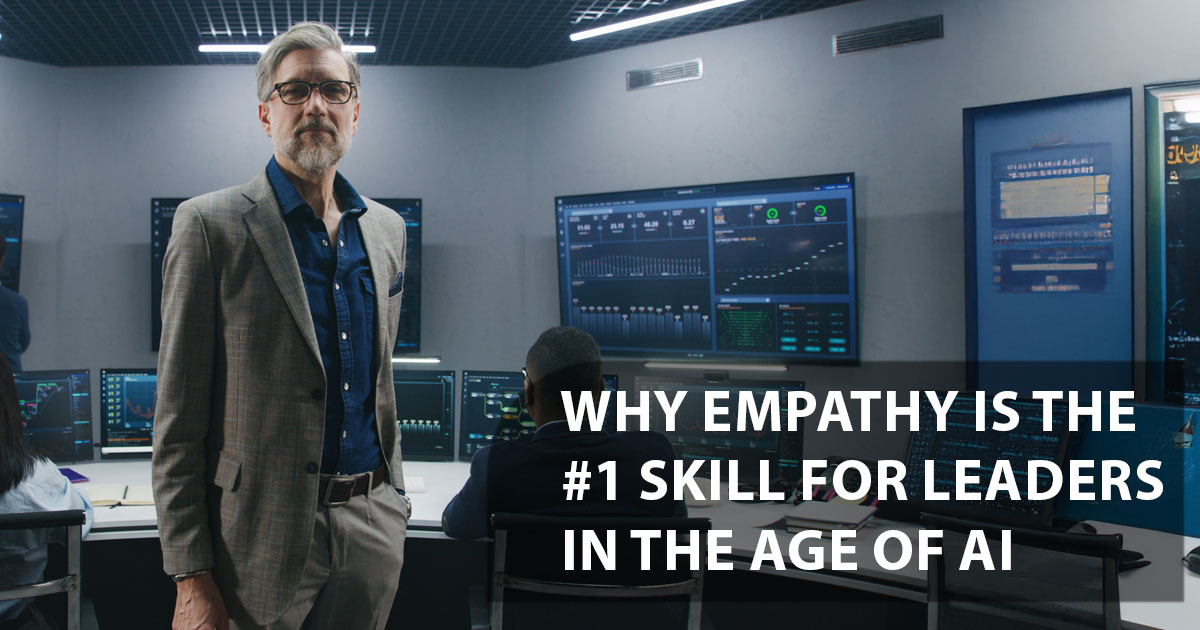
Why Empathy is the #1 Skill for Leaders in the Age of AI
Introduction
Let’s face it: leadership is evolving. As artificial intelligence becomes more embedded in our day-to-day operations, leaders are being called to do more than just manage tasks and numbers, they’re being called to connect. And that’s where empathy in leadership comes in.
In today’s workplace, technology handles the "what" and "how," but it's empathy that answers the "why." With the surge of automation, virtual meetings, and AI-powered tools, leaders who lead with empathy are the ones keeping the human spirit alive in business.
What Is Empathy in Leadership?
Empathy is the capacity to recognize, understand, and connect with another person's emotions and experiences. In a leadership context, it goes beyond being “nice” or “understanding.” It’s about tuning into your team’s emotional landscape, sensing when something’s off, and responding with compassion.
Why Empathy Is a Must in the Age of AI?
As AI becomes smarter and more capable of replacing routine tasks, what can’t it replace? Our human connection. Machines might be great at analyzing data, but they can’t replicate emotional bonds or build trust the way people can.
With more teams working remotely or in hybrid environments, the traditional hallway chat or lunchroom talk has disappeared. That makes emotional connection harder to establish—but more essential than ever. Leading with empathy is now the bridge that keeps teams connected, engaged, and motivated.
The Role of Emotional Intelligence in Leadership
Emotional intelligence for leaders is all about self-awareness, empathy, self-regulation, motivation, and social skills. It’s the essential bond that unites and strengthens effective leadership.
If empathy is the heart of leadership, then emotional intelligence and leadership is the full circulatory system. Empathetic leaders don’t just understand others, they also manage their own emotions effectively. They remain calm under pressure, listen without judgment, and lead with a clear understanding of how emotions drive behavior.
AI Emotional Intelligence vs. Human Emotional Intelligence
AI is making strides in recognizing emotions through voice tone, facial expressions, and even written text. That’s pretty wild, right? But even the smartest AI lacks true empathy. Why? Because it can simulate emotion, but it can’t feel it.
AI emotional intelligence can support leaders with insights, like spotting early signs of burnout or detecting negative sentiment in communication. But it’s still up to human leaders to interpret that data with care and act on it in a way that builds trust and connection.
Why Leading with Empathy Builds Trust
An empathetic leader fosters an environment where others feel safe, valued, and understood. Team members feel heard, seen, and valued, not just as employees, but as humans. This creates what psychologists call "psychological safety," which is the foundation of any high-performing team.
With empathy in leadership, communication becomes more open, feedback becomes more meaningful, and collaboration becomes more natural. Teams thrive in this kind of environment, and the results speak for themselves: higher morale, lower turnover, and stronger performance.
The Business Case for Empathy
Let’s be honest, some still think empathy is “soft.” But research proves otherwise. Companies led by empathetic leaders often see:
Higher employee engagement
Lower turnover rates
Better collaboration
More innovation
Increased customer satisfaction
Think about it: people who feel understood are more likely to stay, contribute, and bring their best to work. That’s the power of empathy in leadership, it’s good for the heart and the bottom line.
The Cost of Leading Without Empathy
On the flip side, when empathy is missing, everything suffers. Miscommunication increases. Morale dips. People feel disconnected. In fast-paced, high-tech environments, the absence of empathy can create a toxic culture where people feel like cogs in a machine.
And with AI taking over more technical roles, this disconnect becomes even more dangerous. Leaders who fail to lead with empathy risk alienating their teams and losing top talent.
How to Develop Empathy as a Leader
Empathy isn’t just something you’re born with, it’s something you can build.
Start by listening more than you speak. Really listen. Put away distractions. Look in the person's eye (or the camera). Pose questions that dig deeper than a simple “How are you?”- and wait for the real answer.
Also, reflect on your own emotions. Notice how you respond under stress. The more aware you are of your own emotional responses, the better you’ll be at understanding others. This is where emotional intelligence and leadership truly intersect—when you lead from self-awareness and a genuine desire to connect.
Emotional Intelligence Training for Leaders
There are countless programs that help build emotional intelligence for leaders. From short courses and books to full-blown leadership coaching, these resources help leaders sharpen their empathy, self-awareness, and interpersonal skills.
Organizations that invest in EQ training don’t just improve individual leaders, they transform entire cultures.
How AI Can Support, Not Replace, Empathy
Here’s where AI emotional intelligence comes in. Imagine a tool that tells you when team engagement is dipping, or flags language that might suggest stress or burnout. These tools can help leaders stay proactive and connected.
But remember; AI can assist, not replace. The empathy still has to come from the leader.
The Future of Leadership in the AI Age
The future of leadership isn’t about knowing more data, it’s about feeling more deeply. As AI continues to rise, the leaders who succeed will be those who balance tech with touch.
They’ll use tools wisely, but they’ll lead with heart. And they’ll create teams that are not only productive but also passionate and fulfilled.
Conclusion
We’re entering a new era, one where machines are smart, but humans must be even wiser. Empathy in leadership is the superpower that sets great leaders apart. When paired with emotional intelligence, it allows leaders to create environments where people thrive, not just survive.
So, as AI continues to evolve, let’s not forget what makes us human. Let’s lead with empathy, always.
Current Issue

All Rights Reserved