Business·Blog
Author: Worth Minds
Date: February 29, 2024
Why 70% of Family Businesses Fail by the 3rd Generation (How to Avoid It)
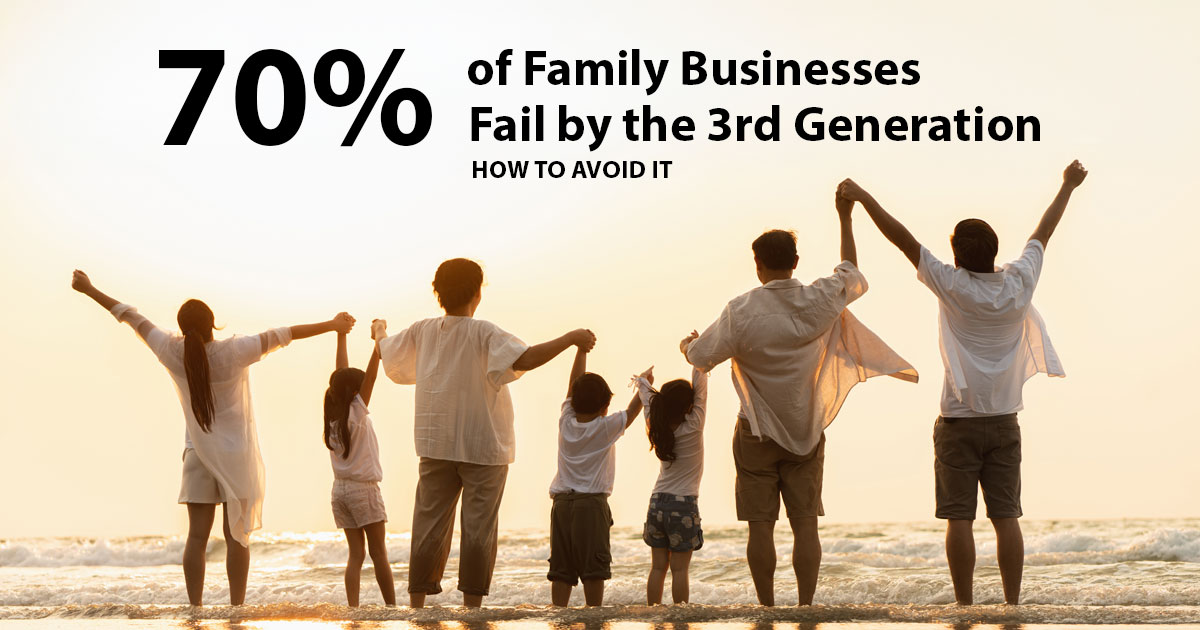
Building a family business is tough. But keeping it alive through multiple generations? That’s a whole different challenge. Statistics show that 70% of family-owned businesses fail to survive beyond the third generation. While that sounds scary, the good news is: it’s avoidable. The difference between success and failure often comes down to preparation, communication, and mindset. The goal isn’t just to maintain what’s been built—it’s to make it stronger for the next generation.
Start Succession Planning Early
One of the biggest mistakes family businesses make? Delaying the conversation about succession. Family business succession planning should start well before the founder thinks about retiring. Think of it like planting a tree, you don’t wait until you’re starving to plant the seed. You prepare early so it grows strong in time. The earlier you begin the discussion, the more time you have to guide and shape the next generation.
Start having real conversations with your family. Who’s interested in taking over? What roles suit them best? What training will they need? These aren’t easy questions, but they’re necessary. This isn’t a weekend chat, it’s an ongoing, evolving process that takes years, not months. It’s about equipping the next generation to take over with confidence and competence.
Formalize the Succession Process
If you’re thinking, “We’ll just figure it out as we go,” think again. Informal handovers can lead to messy transitions, bruised egos, and failed businesses. Create a documented, structured succession plan. This includes setting timelines, defining clear roles, creating mentoring plans, and having legal and financial processes in place. A well-structured process leads to a smoother transition.
Good succession in family business is about clarity. Everyone should know what the plan is and how it will unfold. The more you spell things out now, the fewer headaches later. This also helps avoid favoritism, confusion, and conflict, which are some of the main reasons why family businesses fail during transitions.
Choose the Right Leader, Not the Expected One
Just because your eldest child works in the business doesn’t mean they should run it. Leadership should be earned, not inherited. Choosing a successor should be about capability, vision, and passion, not birth order or emotional ties. The future of the business should not be jeopardized by outdated traditions.
If the best leader is someone outside the family, that’s okay too. The goal is long-term survival, not family politics. Successful businesses put talent and vision first. Family business succession planning must involve identifying leadership potential and developing it, not simply handing over power based on assumptions.
Train and Mentor the Next Generation
You can’t just hand over the business like it’s a family heirloom. Future leaders need to be groomed. Expose them to all parts of the business early. Let them experience operations, strategy, and decision-making firsthand. Give them room to fail, grow, and build their own confidence.
A strong family business succession planning strategy includes mentorship. Let the older generation guide the younger one, but also give the next gen room to bring fresh ideas to the table. They should be encouraged to innovate and make their mark. A great leader isn't born, they’re built over time through patience and opportunity.
Strengthen Trust and Communication
Without trust and communication, your business is a ticking time bomb. Family members may avoid tough conversations, but those are the ones that matter most. Open, honest, and regular communication helps you stay aligned and avoid misunderstandings. Lack of communication breeds assumptions, and those assumptions can tear families apart.
Set up regular family meetings. Discuss challenges, changes, and the future of the business. Encourage transparency. Allow room for every voice, regardless of age or title. Trust isn’t automatic, it’s earned through honesty and consistency. Businesses that foster open dialogue are much more resilient in times of change.
Create a Family Constitution
This might sound a bit formal, but a family constitution is just a set of agreed-upon values, roles, expectations, and rules. It helps separate personal emotions from business logic. Think of it as your family’s operating manual for the business, one that prevents disagreements from escalating into disruptions.
A well-written constitution covers decision-making, conflict resolution, ownership rules, and succession policies. It gives everyone a voice, but also a structure to fall back on when things get complicated. It’s a living document that evolves with your family and your business, offering stability amid inevitable change.
Use External Advisors and Professionals
Bringing in outside experts like legal advisors, financial planners, or business consultants can make a world of difference. These professionals provide unbiased insight and help your family stay focused on what’s best for the business. Their experience with other family enterprises allows them to anticipate problems and guide you through tricky transitions.
An external advisor can also mediate sensitive issues, provide succession strategy frameworks, and ensure your plan is both practical and legally sound. When families are too close to the situation, a third-party voice brings clarity and balance. This becomes particularly important during emotionally intense times.
Encourage Innovation and Embrace Change
Sometimes, the older generation resists change. But if your business is going to survive long-term, it needs to evolve. Allow the younger generation to introduce fresh ideas, modern technologies, and renewed energy. Change isn’t a threat, it’s an opportunity.
This doesn’t mean throwing out tradition. It means combining legacy with innovation. Trust the next gen to modernize while preserving the values that built the business in the first place. Staying relevant in a fast-paced world is key to long-term growth and survival.
Educate and Empower Future Leaders
Encourage your kids or successors to get outside experience, whether it's a degree, corporate job, or running their own side hustle. This outside perspective makes them stronger leaders and more confident decision-makers. Don’t be afraid to let them step away and come back stronger.
When they return to the family business, they’ll bring broader knowledge, stronger skills, and a deeper sense of ownership. Empowerment isn’t just about giving responsibility, it’s about giving freedom to think, act, and lead with confidence.
Conclusion
The 70% failure rate isn’t a curse, it’s a wake-up call. To ensure your family business thrives for generations, you need to take a proactive approach. start your family business succession planning now. Foster a culture grounded in trust and open communication. Make leadership a meritocracy. Welcome innovation. And above all, remember: you’re not just running a business. You’re shaping a legacy.
Current Issue

Copyright © 2026 Worth Minds -
All Rights Reserved
All Rights Reserved