Luxury·Blog
Redefining Luxury: How Businesses Are Adapting to Modern Elegance
Learn how modern elegance is reshaping luxury brands through sustainability, personalized experiences, and strategic innovation for lasting impact.
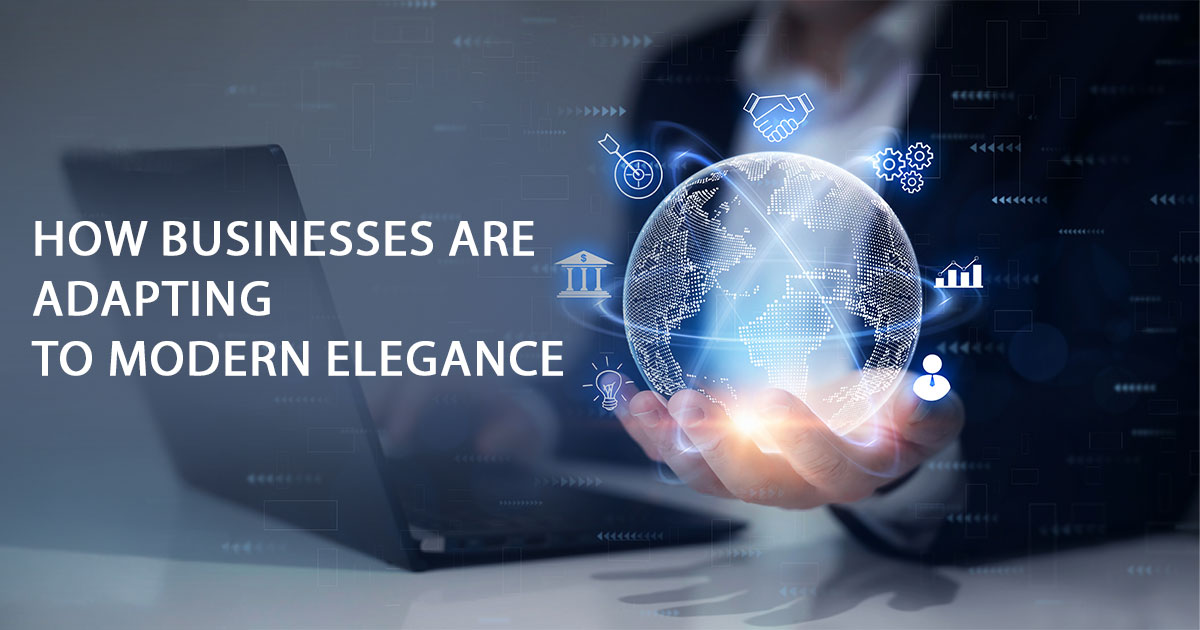
Author: Worth Minds
Date: December 25, 2024
Redefining Luxury: How Businesses Are Adapting to Modern Elegance
In today’s evolving market, the meaning of luxury is no longer confined to opulence or exclusivity. The landscape is shifting, and brands across industries are redefining luxury in response to changing consumer expectations, cultural values, and technological advancements. What once revolved around status symbols and extravagance has now transitioned into an expression of authenticity, mindfulness, and purpose. This shift is giving rise to a new era of modern elegance, a blend of simplicity, sophistication, and intentionality.
The Evolution of Luxury: From Excess to Essence
For decades, luxury was associated with grandeur, excess, and unattainable experiences. Today, luxury consumers are searching for meaning behind their purchases. They are more discerning and mindful, prioritizing quality over quantity and substance over style. This transformation has forced businesses to reimagine how they define and deliver value. In this context, redefining luxury means aligning products and services with purpose, emotion, and lasting impact.
Whether it’s a boutique fashion label championing slow fashion or a hospitality brand offering curated wellness experiences, the essence of modern elegance lies in understated luxury, where every detail is thoughtful, refined, and personal. The shift is not about doing more, but about doing better, with intention, care, and authenticity.
Business Transformation in the Luxury Sector
To stay relevant, luxury brands are undergoing a complete business transformation. This involves rethinking how they engage with customers, position their brand, and adapt to social and environmental challenges. Embracing sustainability, leveraging digital platforms, and promoting diversity are no longer optional; they’re essential.
From product development to customer experience, every aspect of a luxury business is being redesigned to align with today’s values. Strategic management plays a crucial role in this process, ensuring that the transformation is not only visionary but also structured and sustainable. The focus is on innovation without losing sight of heritage and on connection without compromising exclusivity.
Strategic Management: Navigating Change with Purpose
In an era of constant change, strategic management has become a fundamental pillar for luxury brands aiming to evolve. By setting long-term goals and making data-informed decisions, businesses can stay agile while preserving their core identity. Whether it's choosing ethical suppliers, adopting digital-first marketing strategies, or entering new markets, strategic thinking is at the heart of every major move.
Luxury businesses today must balance tradition and innovation. Through robust strategic management, they are better equipped to anticipate trends, minimize risks, and create meaningful growth. This approach not only enhances brand resilience but also deepens trust with the modern luxury consumer.
The Role of Luxury Management in Shaping Experiences
At the intersection of branding, operations, and customer engagement lies the art of luxury management. Unlike general management, this discipline focuses specifically on delivering value through exclusivity, craftsmanship, and emotion. It’s about creating immersive experiences that make clients feel seen, valued, and inspired.
Whether it's personalized service, one-of-a-kind packaging, or tailored events, luxury management ensures that every brand interaction feels deliberate and memorable. With consumers placing greater importance on emotional connection and individual expression, the ability to offer meaningful experiences has become a key differentiator in luxury.
Modern Elegance: Subtle, Sustainable, Sophisticated
The concept of modern elegance is reshaping the aesthetic and ethical fabric of the luxury industry. Today’s consumers appreciate simplicity, craftsmanship, and sustainability over bold logos and mass-produced glamour. This trend is evident in fashion, interiors, travel, and even technology, where timeless design and ethical values speak louder than excessive displays of wealth.
Brands embracing modern elegance are seeing increased loyalty and engagement from a more conscious customer base. It’s a shift from owning more to owning better, from fleeting trends to enduring style. This refined approach to luxury is both aspirational and accessible, making it relevant to a broader, more diverse audience.
The Future of Luxury Is Meaningful
As we move forward, businesses that succeed will be those that not only embrace change but also help define it. By redefining luxury through a lens of purpose, beauty, and responsibility, brands can forge deeper connections with their audiences. This future is about more than selling, it’s about storytelling, innovation, and making a positive impact.
Luxury is no longer about being exclusive for the sake of it; it's about being exceptional for the right reasons. Through intentional business transformation, effective strategic management, and insightful luxury management, brands are evolving to meet the moment and preparing to lead in a new era of elegance.
Conclusion: A New Standard of Sophistication
The luxury industry is rewriting its rules. With a fresh focus on ethics, design, and emotional value, modern elegance is becoming the new standard. Companies that commit to this evolution are not just keeping up; they are setting the tone for the future. By thoughtfully combining strategic management, cultural insight, and elevated experiences, they are leading the way in redefining luxury for a more meaningful world.

Worth Minds · The Orbit Edition
30 Stories Beyond Earth
Put your name forward for consideration and become part of a collection of stories designed to inspire generations.
Submit NominationCurrent Issue
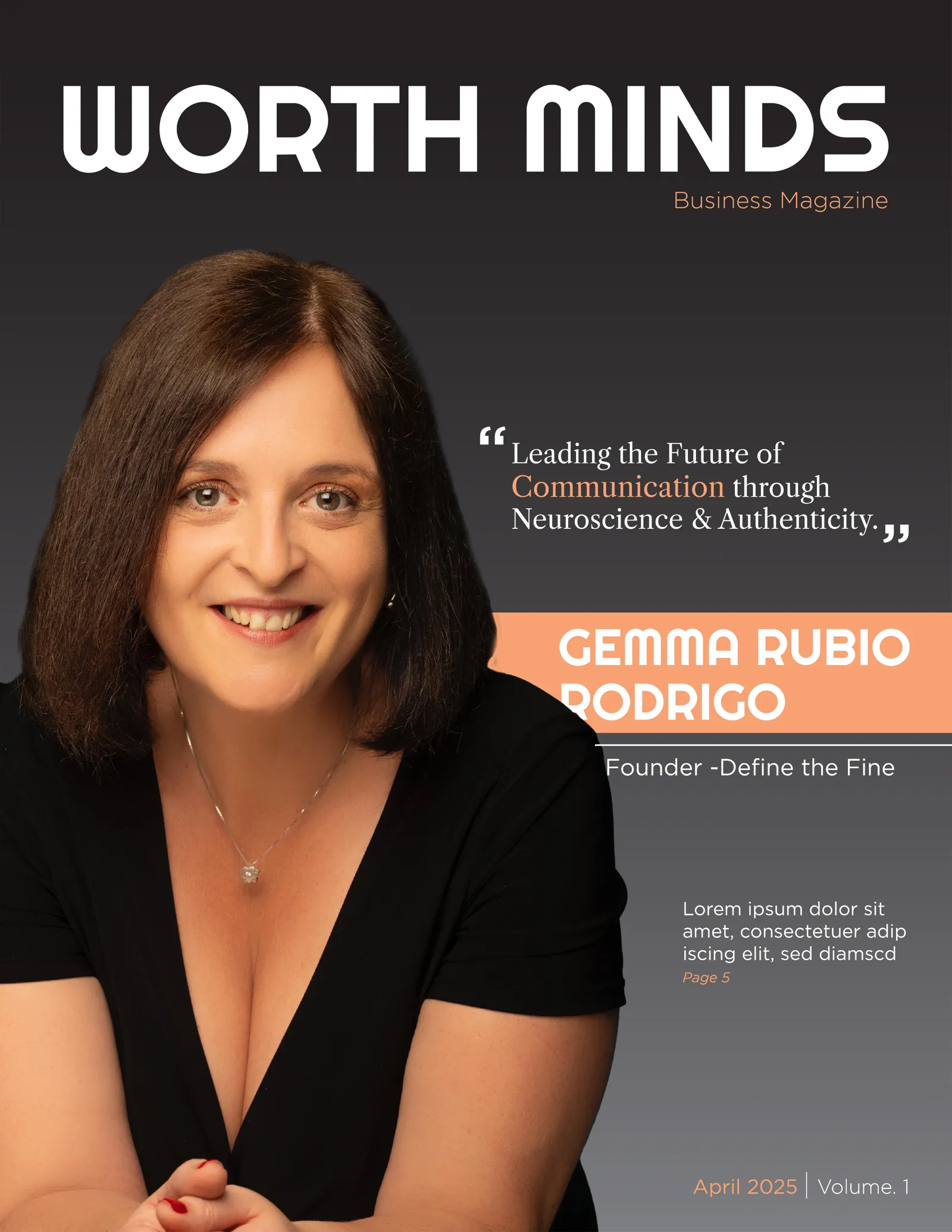
Worth Minds · The Orbit Edition
30 Stories Beyond Earth
Put your name forward for consideration and become part of a collection of stories designed to inspire generations.
Submit NominationWorth Minds · The Orbit Edition
30 Stories Beyond Earth
Put your name forward for consideration and become part of a collection of stories designed to inspire generations.
Submit NominationCopyright © 2026 Worth Minds -
All Rights Reserved
All Rights Reserved