Is Your Brain Programmed Like a Computer?
Does your brain do exactly what you tell it to, like a computer? Yvonne Wennerlid uses the keyboard to explore habits, automatic behavior and learning.
Author: Yvonne Wennerlid
Date: November 25, 2026
Does your brain always do what you tell it to do? Just like a computer does what you want it to?
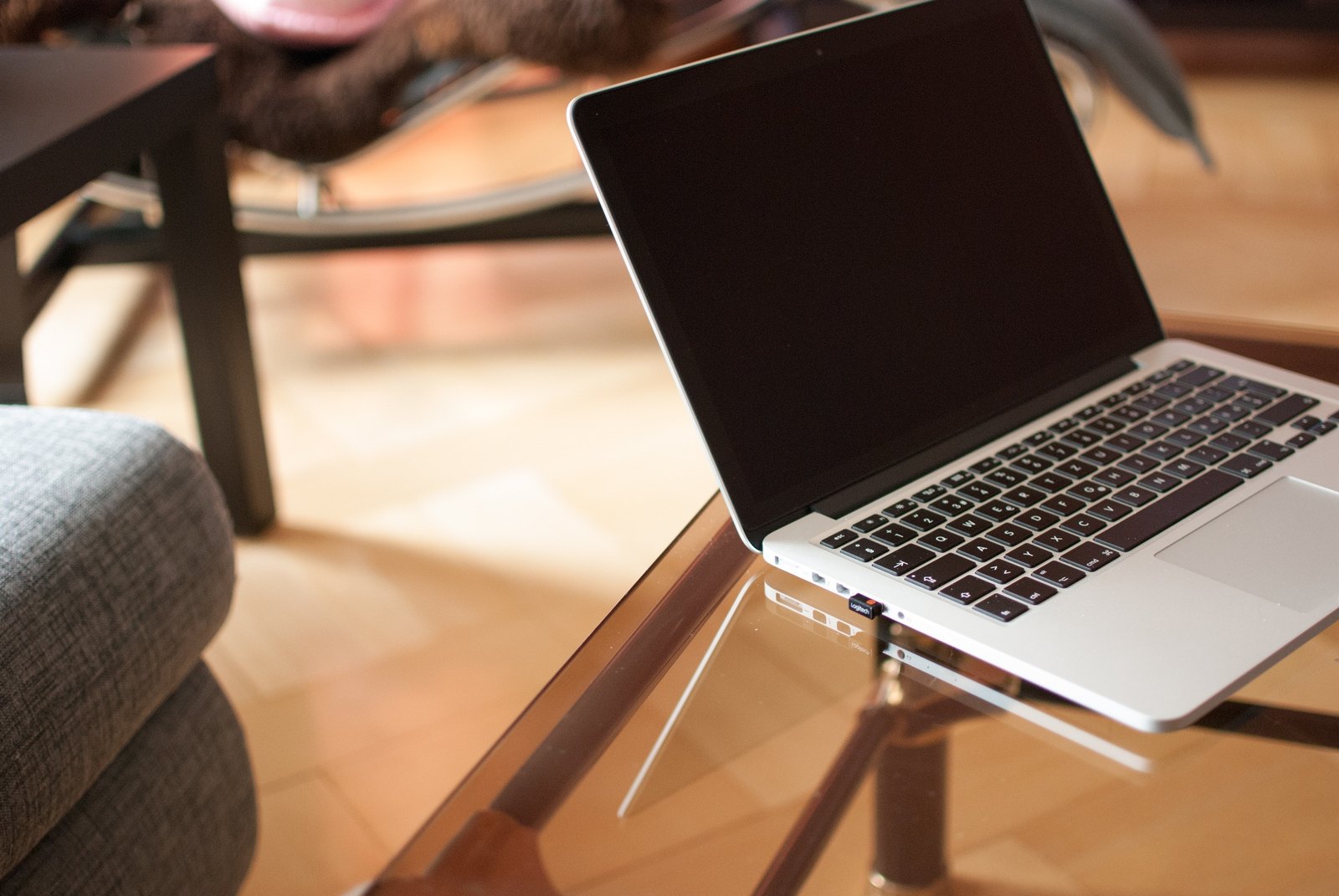
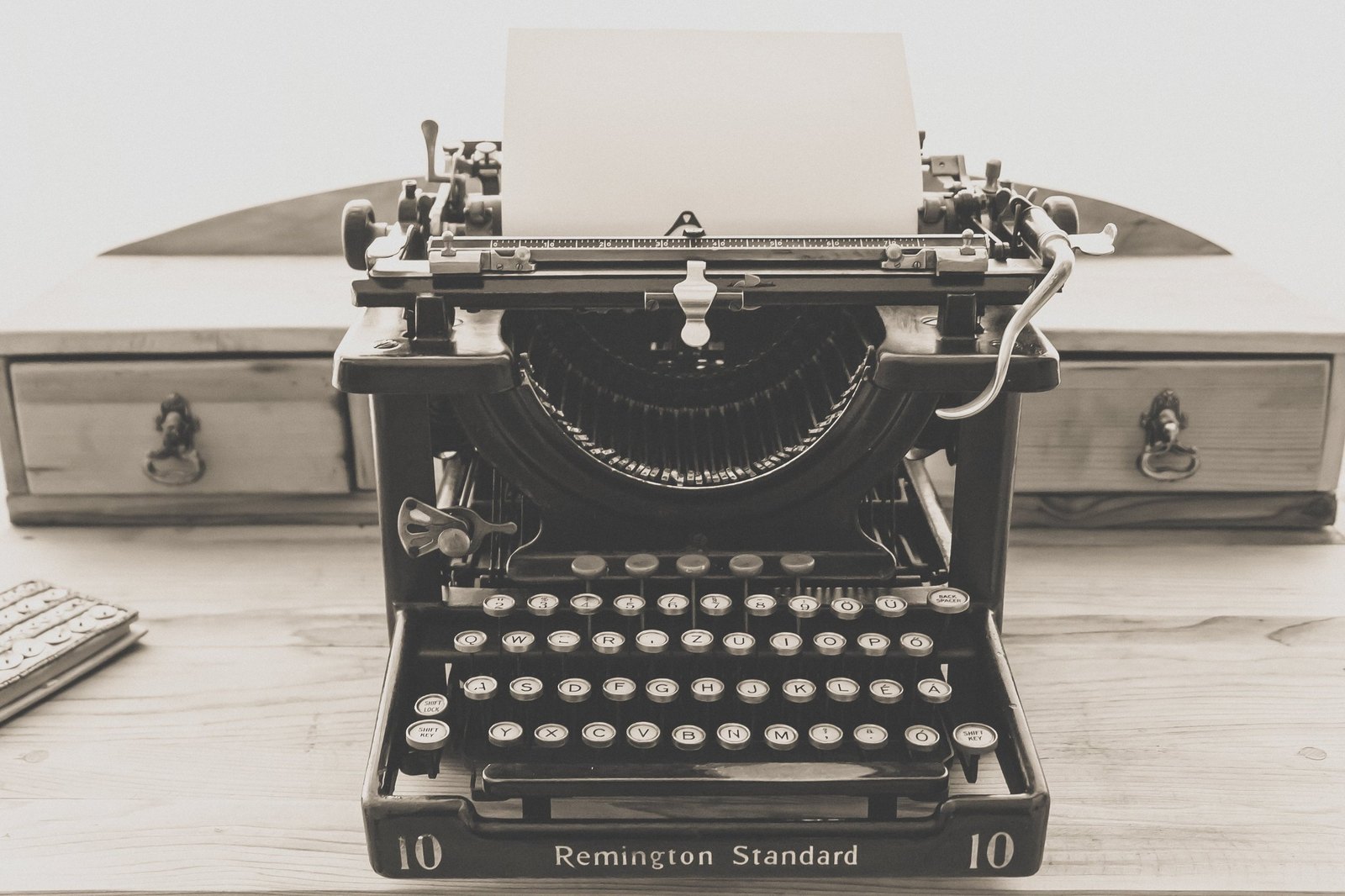
When you look at your keyboard, you see many different symbols, and they perform a function when you press them—and you know exactly what you want to display on your screen. Something takes shape, and you get into a flow. Suddenly, you hit the wrong key, so you have to delete it, try again, and now it’s right.
Now, suppose you look away from the screen while typing and are instead looking at your fingers as you type. Do you type everything correctly then, and do you use the right fingers on the right keys? In the early 1990s, when I was in middle school in my hometown in southern Sweden, I learned the ten-finger typing system. I’d see a letter on the screen and had to press the right key. After a while, once I knew where all the letters were, we were given a text to type with the screen turned off. We were graded, but I don’t remember what grade I got, and it’s completely irrelevant today. If I had to take that test today, I’d do well—but not using the ten-finger method.
This is exactly what’s important to keep in mind and think about. We learn a lot, but over time we discover ways that suit us as individuals better—in our own ways. There are some fingers I don’t use, and if I have to use all of them, I type much more slowly. To give you a comparison: when I type in my native language, Swedish, I type very fast. When I type in English, it goes well too, but my third language is German, and my typing speed drops quite a bit. When I also have to type on a different keyboard with a different spacing, I end up making a sad number of mistakes.
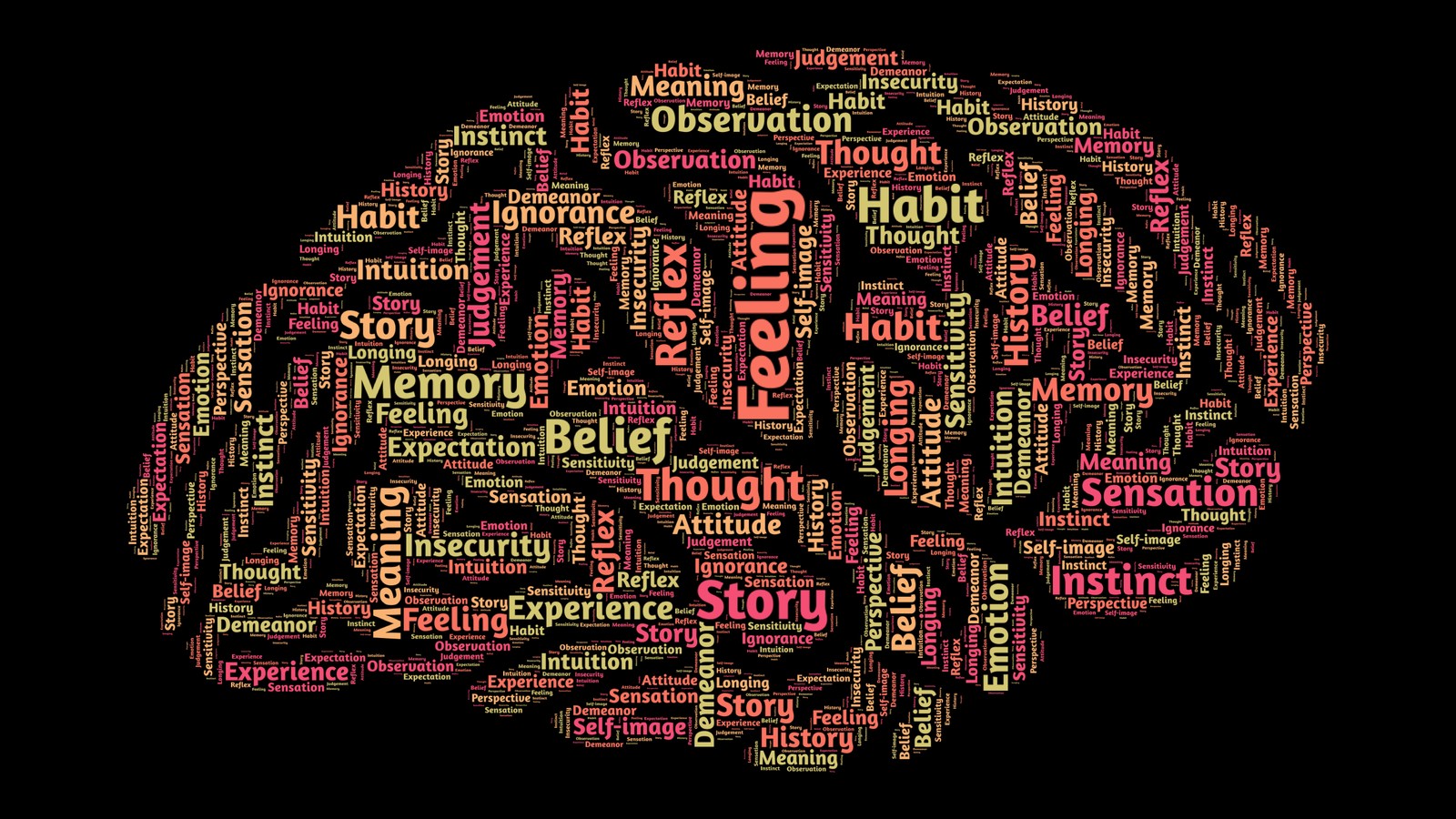
What’s important here is that we do a lot of things automatically, without even thinking or reflecting on them. So when someone points something out, that person often gets offended and feels attacked. If the same thing is repeated twice, three times—or even ten times—it affects the entire atmosphere and mood. Then it’s high time to take a hard look at what you’re really doing to change the situation so you don’t get told off again.
How does this relate to a keyboard? In my opinion, on many levels—because so much is done automatically, and people don’t care if others are provoked or bothered by a certain behavior. This ties in with how a computer and the brain work. A computer is programmed, has limited capacity, and does exactly what you tell it to do. Your brain works differently.
A teacher at our school talks a lot with the students about this very line of reasoning, and analogies and comparisons are wonderful tools to use. They deepen understanding, broaden perspectives, and—hopefully—open people’s eyes. Unfortunately, this isn’t the case for everyone, because some people refuse to realize how their actions stress out those around them. I’m all for more analogies, a little more irony, and laughing at nothing—it’s good for the brain.
Another important aspect when you’re doing something on the computer is not to stare at the result—what you see on the screen. Look at your fingers and see what they’re doing quickly. Notice how the signals from your brain are sent to your fingers, ensuring they land in the right place—and you see it a millisecond later. Suddenly, your experience becomes different from what you’re used to. Simple things like this can improve your perception, and that’s exactly what I fully support.
My husband says the computer does exactly what I tell it to do, but then why does it act up sometimes? As far as I know, I’ve never asked it to test my limits and my patience. I press a key or use a keyboard shortcut, but it ends up doing the wrong thing instead. Who wants that? To draw a parallel with the brain, we tell it to work better, be more attentive, listen more effectively, reach better conclusions, or answer quiz questions correctly. Does it do exactly as we tell it to? Yes and no. The more experience we gain, the better it becomes at understanding other clues that exist in life. How we view and interpret things shapes our abilities, our capacity, and our competence.
Storage space is limited on a computer itself, but the more we teach the brain, the more it can learn—because it already has a well-honed way of working that, however, needs to be updated, refined, polished, and reworked from time to time.
The brain is my favorite organ—I’m so happy to have it and to be able to learn more about it. I hope you feel the same way. It’s worth it.

Worth Minds · The Orbit Edition
30 Stories Beyond Earth
Put your name forward for consideration and become part of a collection of stories designed to inspire generations.
Submit NominationCurrent Issue
Worth Minds · The Orbit Edition
30 Stories Beyond Earth
Put your name forward for consideration and become part of a collection of stories designed to inspire generations.
Submit NominationWorth Minds · The Orbit Edition
30 Stories Beyond Earth
Put your name forward for consideration and become part of a collection of stories designed to inspire generations.
Submit NominationAll Rights Reserved